Author name: BABU

Business

🌍 A New Chapter in Trade: What China’s Tariff Cuts Mean for African Suppliers

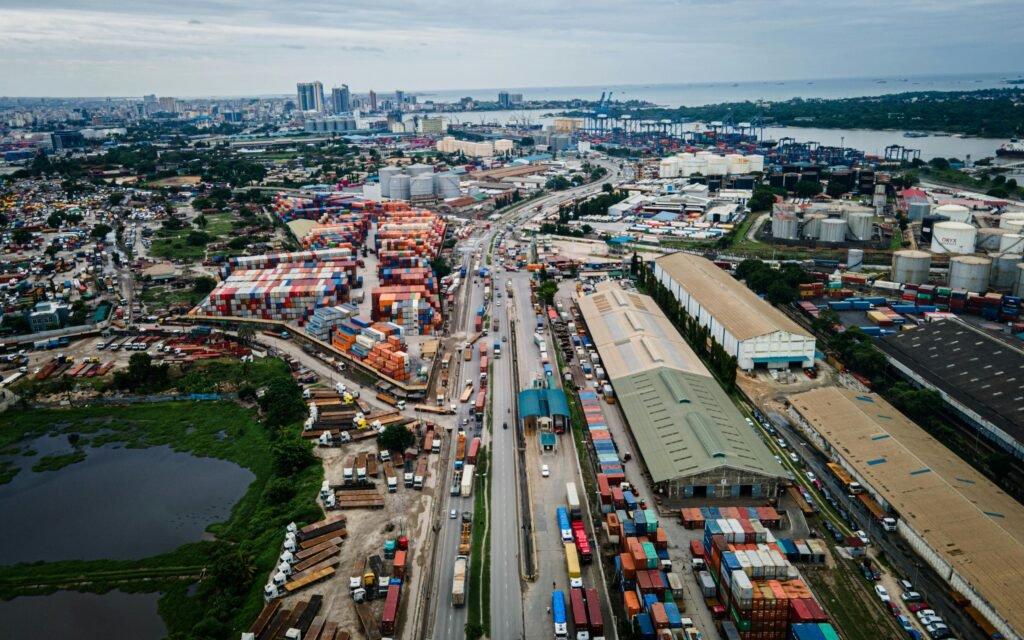
China has announced that it will remove tariffs on almost all goods from 53 African countries. This move opens the door for African businesses to export to China with zero customs duties; a massive opportunity for manufacturers, suppliers, and trade-focused companies. At the same time, the United States has raised tariffs on some African goods, adding pressure to long-standing trade partnerships under the AGOA (African Growth and Opportunity Act) program. What This Means for African Sourcing & Supply Chains On the Other Side: U.S. Tariffs on African Exports While China is opening up, the U.S. is raising barriers. Higher tariffs on goods from South Africa and other countries threaten jobs, production, and partnerships built over decades. This shift could push many African companies to pivot their focus eastward, exploring new trade routes and building stronger links with Asian markets. 🧭 What We Think: A Message From Our Team “This is our moment to show Asia what Africa has to offer. By delivering quality, consistency, and innovation, African suppliers can lead the way in building smoother cross-border trade with China and beyond.” 💼 What Businesses Should Do Now ✅ Explore new sourcing opportunities: Identify suppliers in sectors like textiles, food, and raw materials who can now compete in China. ✅ Rethink your trade routes: U.S. tariffs may increase costs, consider China or other Asian partners as alternatives. ✅ Partner with sourcing experts: If you’re exporting or importing African goods, now is the time to work with trade specialists who can help you tap into these new markets. ✳️ Bottom Line Trade dynamics are changing fast. Africa is in a position to lead, not just follow. With the right partnerships and preparation, businesses can grow faster and go further in a new global landscape.

Travel

Top Chinese Cities to Visit in 2025

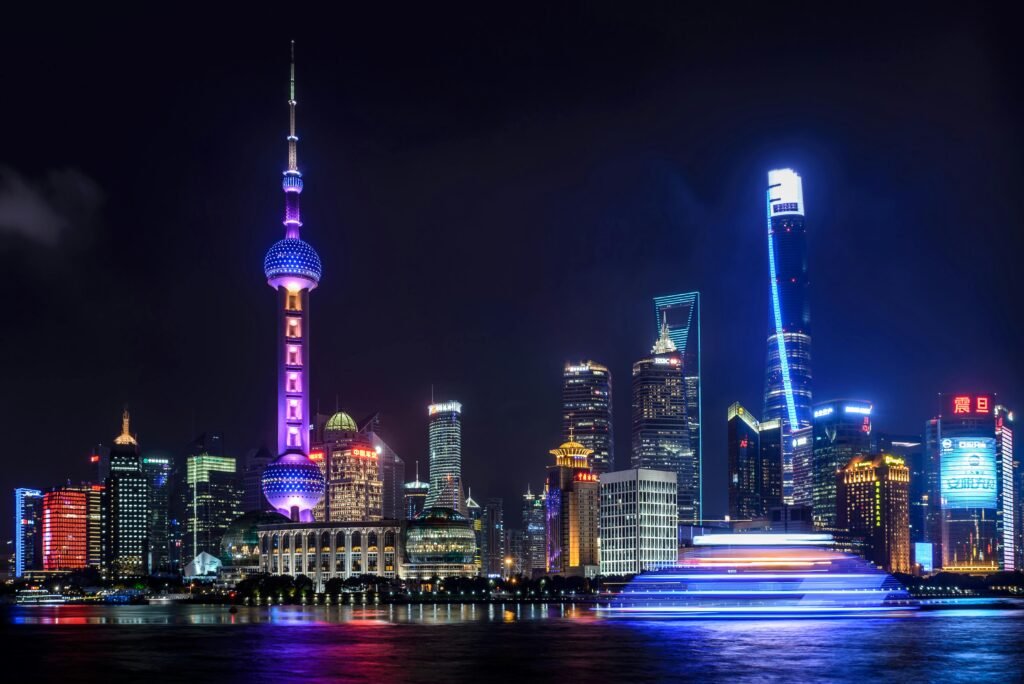
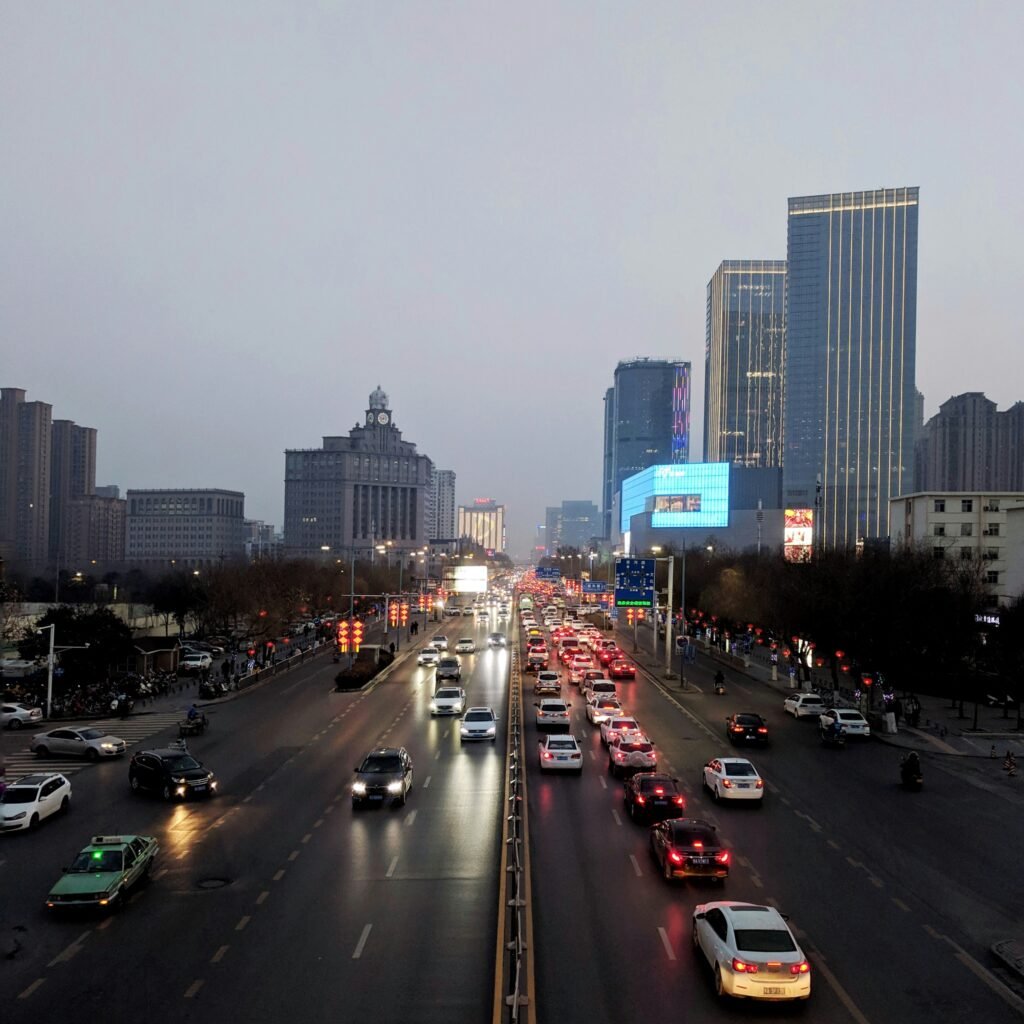
China in 2025 is the ultimate blend of tradition, tech, and travel. Whether you’re visiting to study, explore, or invest, these cities offer something special. Beijing – History Meets Power Walk the Great Wall, visit the Forbidden City, and explore booming art districts. With eco-friendly transport and global events, it’s the cultural and political heart of China. Perfect for: History lovers, scholars, diplomats. 🏙️ Shanghai – China’s Style & Business Capital From the Bund to buzzing nightlife, Shanghai mixes old charm with futuristic energy. A hotspot for startups, fashion, and finance. Hotel Recommendation: Radisson Collection Yangtze Shanghai $70/night Perfect for: Entrepreneurs, creatives, luxury travelers. 🌆 Shenzhen – China’s Tech Frontier Young, bold, and futuristic. Home to tech giants like Huawei and Tencent, plus vibrant art zones and smart tourism. Perfect for: Techies, innovators, and digital nomads. 🍲 Chengdu – Pandas, Hotpot & Chill Vibes Relaxed and flavorful, Chengdu offers spicy food, panda reserves, and stunning temples — all with a low cost of living. Perfect for: Foodies, nature lovers, students. 🏯 Xi’an – Ancient Capital of China Visit the Terracotta Army and experience Silk Road history with modern touches like AR museums and cultural shows. Hotel Recommendation: Merlinhod Hotel (Xi’an Xiaozhai Dayan Pagoda Tang Paradise Store) $32/night Perfect for: Culture seekers, historians. 🏖️ Sanya (Hainan) – Tropical Escape Think white sand, clear waters, duty-free shopping, and spa resorts — no visa needed for many nationalities. Hotel Recommendation: Crowne Plaza Sanya City Center $40/night Perfect for: Beach lovers, honeymooners, wellness tourists. Why China in 2025? Visa-free travel, modern infrastructure, and a rising global presence make now the best time to explore. From high-speed trains to heritage streets — China has it all.

Education

📚 The New HSK Exam: What International Students Need to Know (2025 Update)

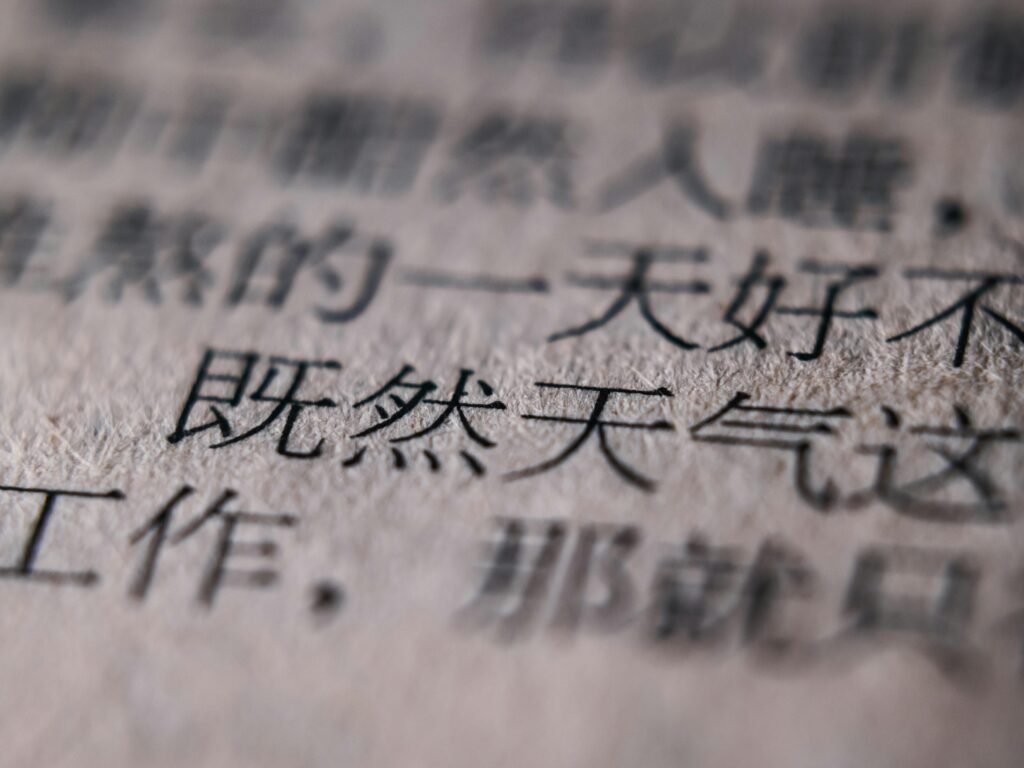
If you’re planning to study in China, apply for a Chinese scholarship, or simply want to improve your Mandarin, chances are you’ll need to take the HSK — the official Chinese language proficiency exam. But in 2021, China began rolling out a new version of the HSK, and it’s important to understand what changed. 🌟 What Is the New HSK? The new HSK (汉语水平考试) is a complete overhaul of the old system. While the previous version had 6 levels, the updated system expands to 9 levels, giving a more detailed and accurate assessment of Chinese proficiency, especially at advanced levels. ✈️ Why It Matters for Students 📌 Key Changes

Business

🚢 Trade & Exporting in China: 2025 Policy Trends You Should Know

Whether you’re a small business owner importing from China or a startup looking to export to the Chinese market, staying up-to-date with China’s trade terms and policies is crucial in 2025. 📦 1. New Customs Policies & Faster Clearance China has streamlined customs processing at major ports like Shanghai, Guangzhou, and Shenzhen, reducing clearance time by up to 30–50% for compliant importers and exporters. 🌍 2. RCEP & Export Opportunities China is actively trading under the Regional Comprehensive Economic Partnership (RCEP) — the largest free trade agreement globally, which includes ASEAN, Japan, South Korea, Australia, and more. Benefits for Exporters: 🧾 3. VAT & Tax Reform for Foreign Traders 📌 Tip: Partner with a reliable sourcing or freight agent in China to stay compliant and maximize rebates. 🛡️ 4. Regulatory Updates & Compliance

Education

🎓 211 vs. 985 Universities in China: What You Need to Know

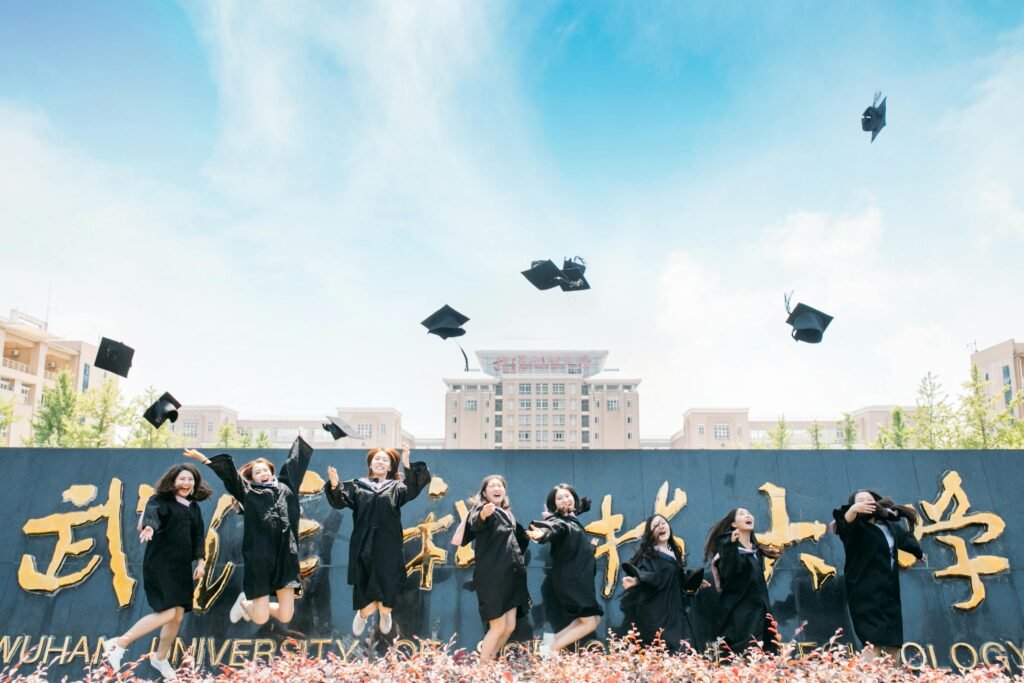
If you’re looking into studying in China, you’ve probably come across the terms “211” and “985” universities. These are not just random numbers — they represent two major education initiatives launched by the Chinese government to improve the quality and global competitiveness of higher education in China. Understanding the difference between them can help you make a smarter decision when choosing a university. What Are 211 Universities? The 211 Project was introduced in 1995 with the goal of elevating around 100 universities to international standards for the 21st century — hence the name, which stands for “21st century, 100 universities”. In total, about 112 universities across China were selected to receive special funding, improved research resources, and better infrastructure. These universities are known for strong academic programs and national-level disciplines. While not all of them are globally ranked, many are highly respected within China and offer excellent education quality, especially in science, engineering, business, and regional studies. Some well-known 211 universities include East China University of Science and Technology (ECUST), South China University of Technology (SCUT), and Nanjing Agricultural University (NJAU). What Are 985 Universities? Just a few years later, in 1998, China launched an even more ambitious project, called Project 985. This initiative aimed to build world-class universities that could compete with the best institutions globally. Only 39 universities qualified, and these schools receive even more government funding and international attention than the 211 universities. Universities under the 985 Project often appear in top global rankings such as QS, Times Higher Education, and ARWU. They have world-class research facilities, extensive international exchange programs, and a reputation for innovation and academic leadership. Examples of 985 universities include Tsinghua University, Peking University, Fudan University, and Zhejiang University. So, What’s the Difference? In short, both 211 and 985 universities are considered elite, but 985 universities are more prestigious, more competitive, and better funded. They typically lead in national and international rankings, making them the top choice for students aiming for global exposure, advanced research opportunities, or high-impact careers. However, that doesn’t mean 211 universities aren’t worth considering. Many of them offer excellent programs, strong research teams, and vibrant student life, often with less pressure and competition. They’re especially good options if you’re looking for specialized programs, more affordable cities, or slightly easier admission requirements. A Quick Look at the Differences: Final Thoughts If you’re aiming for the highest academic recognition, want to work in academia or research, or plan to pursue further studies abroad, a 985 university is your best bet. But if you’re more focused on a specific major, a practical education, or a less intense environment, a 211 university could offer exactly what you need, with many still offering full or partial scholarships to international students. And one last thing: In 2017, China started transitioning away from the 211 and 985 labels with a new initiative called the “Double First-Class” project, which aims to develop both world-class universities and world-class disciplines. Still, 211 and 985 are widely used terms in admissions, job markets, and scholarship opportunities, so it’s important to understand what they mean.

Scroll to Top